

THE TOWN AT A GLANCE
Vratsa
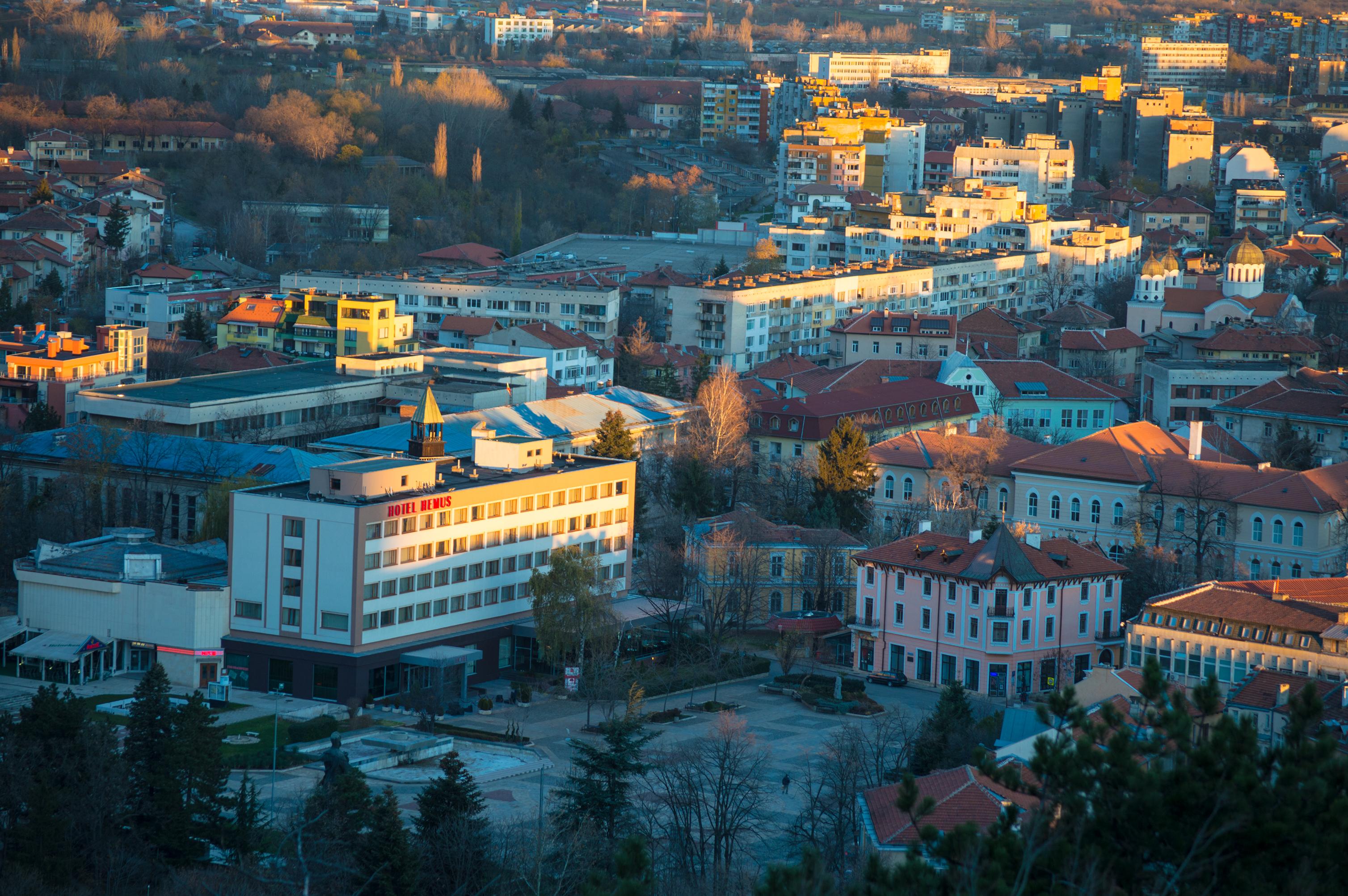
In the area of today's Vratsa there are traces of human presence as early as the 2nd millennium BC. The Thracian Triballi lived here, and during the Roman era, a mining settlement developed near the Vrattsata pass. In the Middle Ages, the town was known as Vratitsa. During the Second Bulgarian State, it expanded and became a craft center. During the Ottoman period, it remained a garrison and road settlement, which experienced several destructions and reconstructions. In an Ottoman tax register from 1553, kept in the National Library, it is recorded as Uvraja.
Towards the end of the 18th and in the 19th century, Vratsa established itself as a craft, commercial and administrative center. Schools and church life developed; Sophronius Vrachanski works here. The city was the center of the Third Revolutionary District for the April Uprising, although no uprising broke out in the district. It was liberated on November 9, 1877. After the Liberation, traditional crafts gradually grew into industry. In 1896, an experimental station for silk weaving was opened, and in 1903, a sericulture school and a weaving mill for silk fabrics were established at the silk weaving factory. Today, Vratsa is a regional center, and the Vrattsata pass remains one of its most recognizable natural symbols.
- Population
- 47 874 residents · 12/31/2025
- Liberation
- 1877 November 9
LOCAL GUIDE
Discover Vratsa
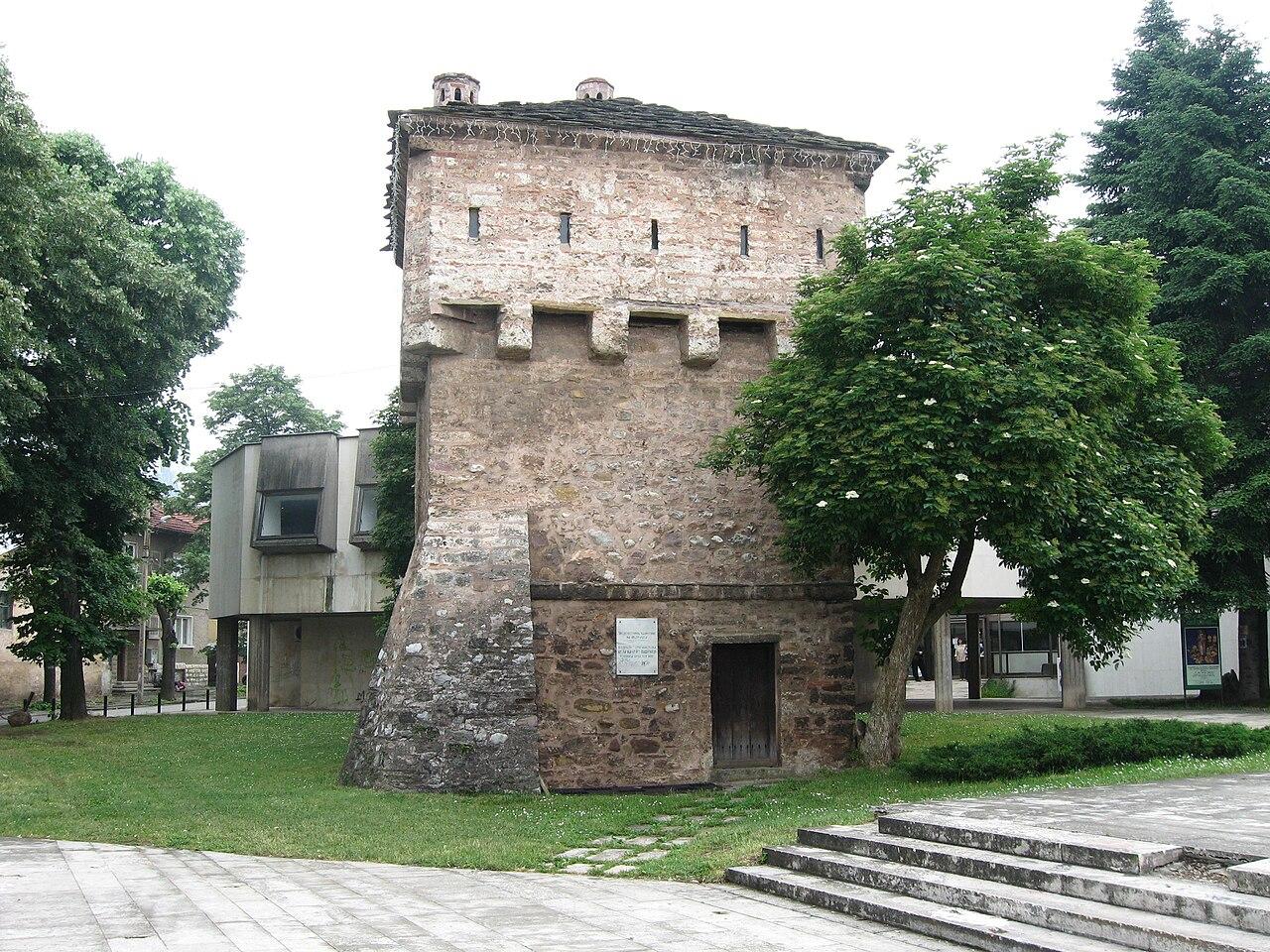
The Kurtpaş Tower near Hristo Botev Square, the Historical Museum and the Church of the Ascension represent the heritage of Vratsa.
Regional History Museum - Vratsa
The museum at "Hristo Botev" Square No. 2 presents the archeology and history of the Vrachan region. In the central building are the halls "Rogozensko Skrovishte", "Vrachanski Skrovishte" and the Boteva Hall.
Kurtpashov Tower
The residential and defensive tower from the 17th century is southwest of Hristo Botev Square, in front of the historical museum. It is 11 meters high, with a basement, a ground floor and two residential floors.
Meshchii Tower
The 17th century residential and defensive stone tower is northwest of Hristo Botev Square at Vratsa. It consists of a ground floor and three residential floors, the uppermost being adapted for defense.
Ascension Church "St. Sophronius Vrachanski"
The church built in 1848 in the ethnographic-revival complex at Vratsa is today the memorial temple "St. Sophronius Vrachanski". Since 1989, the exhibition "Old Bulgarian Art from Vrachansko" has been here with icons, wood carvings and church utensils from the XVII-XIX centuries.
CELEBRATIONS IN THE AREA
Nearby gatherings
 Vratsa · 1 May 2026Sbor of VratsaOryahovo · 21 November 2026Sbor of Oryahovo
 Vratsa · 24 September 2026Literary Festival „Vratsa – knizhen grad“
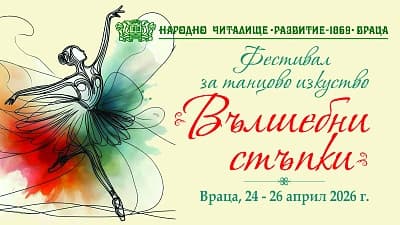 Vratsa · 24 April 2026Dance Art Festival „Valshebni stapki“
 Ohoden · 1 September 2026IX International Festival of Ancient Cultures „Slantseto na Todorka“Mezdra · 19 July 2026International Folklore Festival „Folklornata magia na Mezdra“Mezdra · 6 May 2026Sbor of MezdraDarmantsi · 12 September 2026Sbor of Darmantsi
СБОРЪ.БГ recommends
No recommended places yet for Vratsa.