

Saint Alexander Nevsky Temple-Monument
The cathedral is located in the square of the same name in the center of Sofia and is among the recognizable symbols of the city.
Loading content…
THE TOWN AT A GLANCE
The area of today's Sofia has been inhabited since ancient times. The Thracian settlement of Serdika became an important city in the Roman Empire, and in the Middle Ages the name Sredets was established. At the end of the 14th century, the city began to be called Sofia — from the Basilica of St. Sofia. After the Ottoman conquest in 1382, it became the administrative center of Rumelia.
After Liberation, Sofia was chosen as the capital of Bulgaria in 1879. The city grew with new neighborhoods, public buildings and transport connections. Today, it coexists with the remains of Serdika, temples, theaters, museums and modern cultural spaces.
LOCAL GUIDE
Five verified locations — from the center to Boyana.
The cathedral is located in the square of the same name in the center of Sofia and is among the recognizable symbols of the city.
The medieval church in the Boyana district is included in the UNESCO World Heritage List for its frescoes.
NDK is a large congress and cultural complex in the center of Sofia.
The historical building of the theater is on "Knyaz Alexander I" Square next to the City Garden.
The early Christian basilica near the St. Alexander Nevsky Cathedral gives the city its name.
CELEBRATIONS IN THE AREA
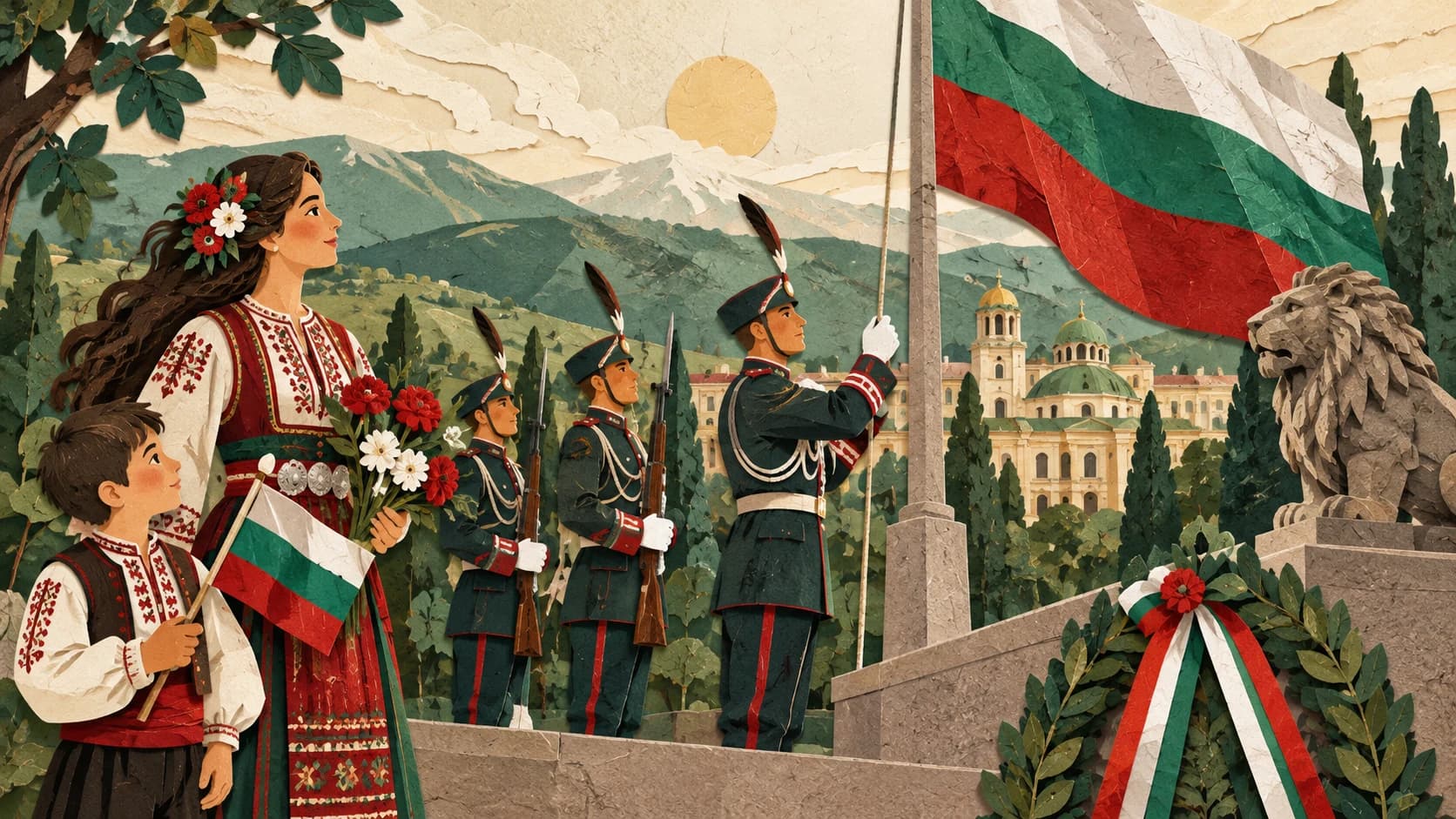 Sofia · 17 September 2026Sbor of Sofia
 Sofia · 23 September 2026XVI Festival „Piano Ekstravagantsa“
 Sofia · 29 September 2026VIII International Festival „Kameralia“
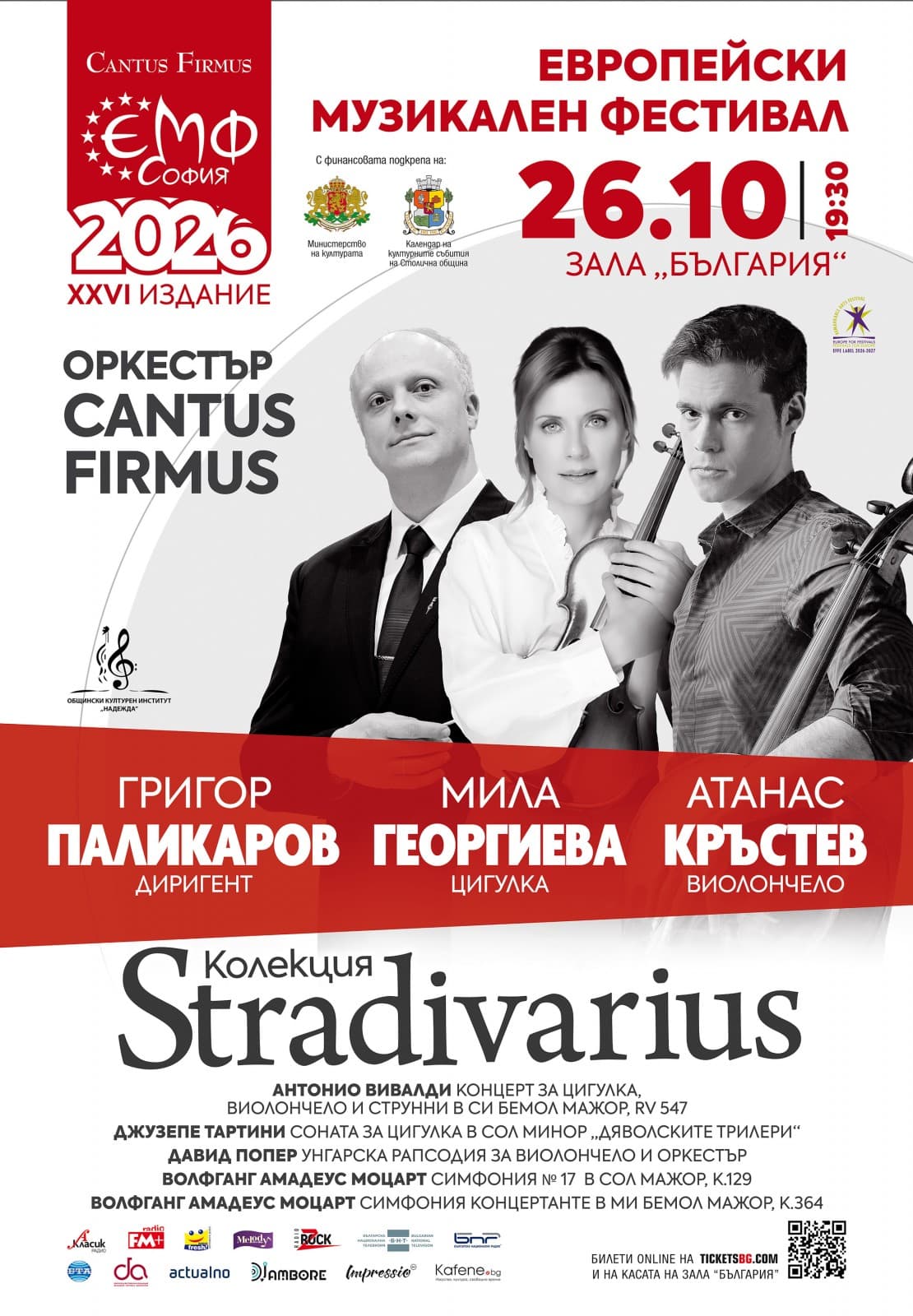 Sofia · 3 October 2026European Music Festival — Autumn Edition
 Sofia · 7 October 2026XX International Festival “The Art of Baroque”
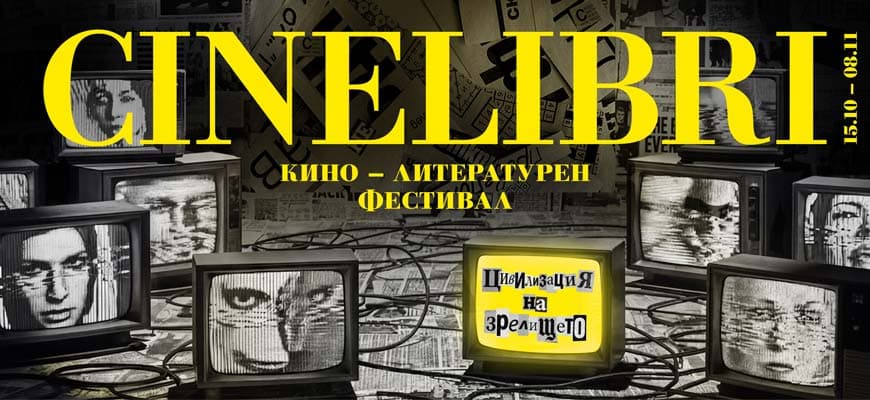 Sofia · 15 October 2026XII CineLibri International Book-to-Film Festival — Sofia
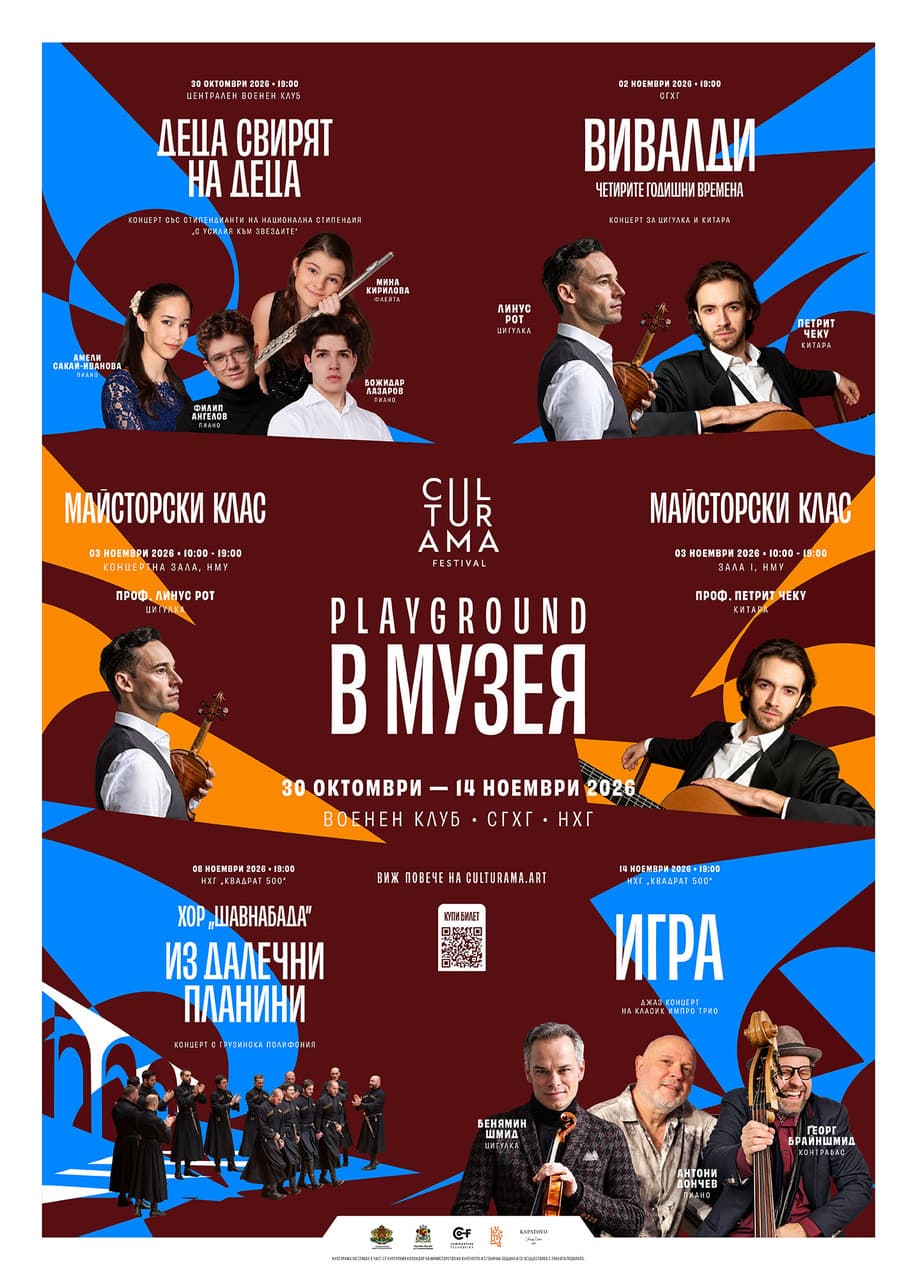 Sofia · 30 October 2026CULTURAMA at the Museum
 Sofia · 8 October 2026Sofia Art Fair
No recommended places yet for Sofia.